
How To Start Creating When You Feel Overwhelmed
Sometimes life feels like a spinning carousel you can’t step off. There are emails to answer, schedules to juggle, meals to make, and all the little tasks that never stop piling up. When you finally sit down, even the idea of creating can feel impossible. Supplies, techniques, or even deciding where to start can feel like another thing on the to-do list. But the truth is, you don’t need perfect conditions, a large studio, or hours of uninterrupted time to start using art as a tool for calm and clarity.
Even a few minutes of intuitive, low-pressure creative practice can help you release tension, reconnect with yourself, and gain insight into what’s happening inside. The trick is knowing how to start when your mind is already full.
Begin With a Single Mark
One of the simplest ways to start is by making just one mark. Grab whatever is available—a pencil, a crayon, a brush—and put it on a page. Don’t think about the outcome or worry whether it looks good. The act of moving your hand, feeling the texture, and choosing a color or shape engages your body and mind. That single mark is often the hardest step, but it’s also the most powerful. It signals permission to slow down, observe, and connect.
When I first began practicing this, I would sit at my kitchen table after a long day. I didn’t plan anything. I simply put a stroke of deep purple on a blank page. After a few minutes, the tension in my shoulders eased, and I felt more present. That small, simple action reminded me that creating doesn’t have to be complicated to be meaningful.
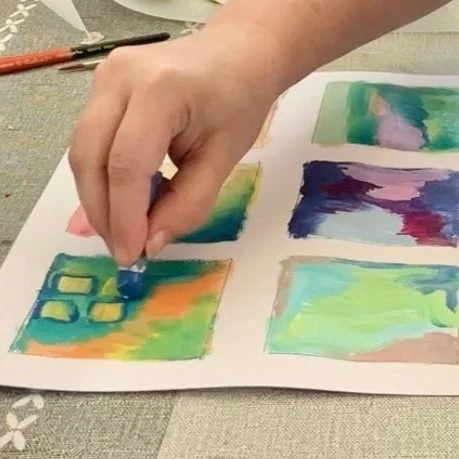
Even a single mark can help you shift from overwhelm to awareness.
Use Micro Sessions to Stay Manageable
Overwhelm often comes from the pressure to do too much at once. Micro sessions are your best friend here. Even five or ten minutes can be enough to notice patterns, release tension, and create meaningful expression.
Here’s a simple structure:
Set a timer for 5–10 minutes.
Choose your medium—whatever is accessible. Pencils, crayons, markers, pastels, or paint.
Follow your instincts—don’t plan what to do. Let your hand move freely.
Reflect briefly—notice patterns, color choices, and textures. Ask yourself: Which colors did I reach for first? How did my marks change over time?
Even these micro sessions can give surprising insight into your emotional state, and they help you establish a habit without adding stress.
Focus on Sensation, Not Results
When you’re overwhelmed, it’s tempting to judge the work as “good” or “bad,” or to compare it to what you think it should be. Let that go. The power of therapeutic art lies in experiencing the process rather than producing a polished piece.
Focus on the sensory experience:
How does the pencil or brush feel in your hand?
What happens as colors blend, layer, or contrast?
How does your hand move across the page—slow, quick, hesitant, or bold?
These sensations bring you into the present moment, helping your mind shift from overthinking to observing. They also help your body release tension, even when you feel stuck emotionally.
Gentle Reflection Brings Insight
After your session, take a moment to look at your page. Notice without judgment:
Are there patterns that repeat?
Which colors dominate?
How do your marks reflect your current emotional state?
These small reflections can give you insights that words might never capture. Often, you’ll notice connections between what you’re feeling and how you express it visually. This is the heart of therapeutic art: observing yourself through your creative choices.
How Internal Landscapes Makes Starting Easier
Internal Landscapes is designed to help people exactly like you—busy, stressed, or creatively blocked—get started with therapeutic art. The course provides guided exercises and prompts to help you:
Begin micro sessions with confidence
Notice emotional cues in your marks, textures, and colors
Build a low-pressure creative habit that fits into your life
Gain insights and breakthroughs without needing skill, time, or a perfect setup
The exercises are approachable, flexible, and practical, allowing you to reconnect with your inner world even in the middle of a chaotic day. The focus is always on connection and understanding, not perfection or aesthetics.
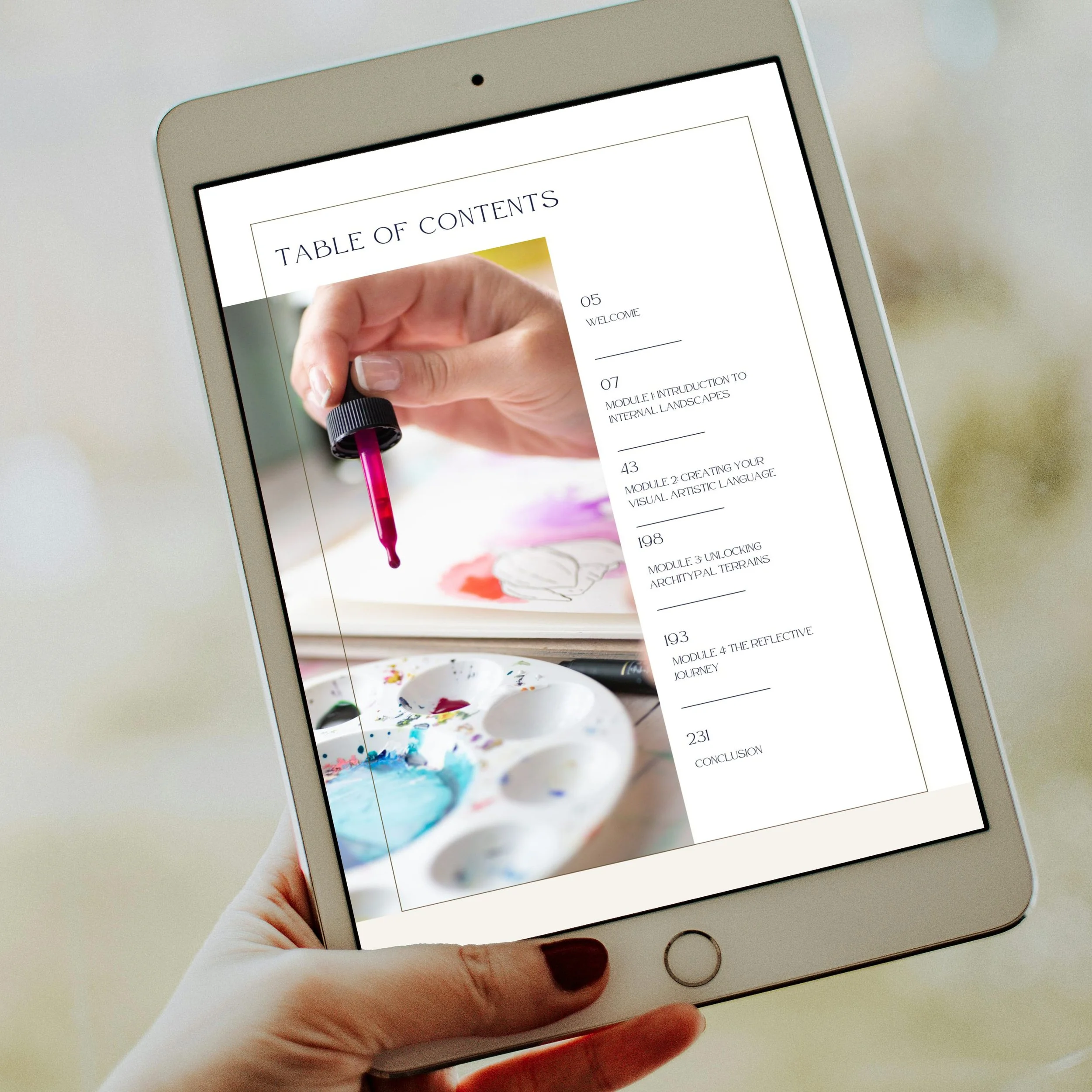
Internal Landscapes guides you step by step, helping you connect with your emotions and creativity anytime, anywhere.
Making Creative Practice Part of Your Day
The beauty of starting small is that it’s sustainable. You can practice at your kitchen table, on a lunch break, or even in short moments while the kids are occupied. Over time, these tiny sessions add up, creating a consistent pathway to awareness, calm, and emotional insight.
Starting doesn’t require pressure. It only requires permission—to notice, to mark, to reflect. Even five minutes is enough to make a meaningful difference. If you’re ready to get started, check out my therapeutic art course, Internal Landscapes!