
Understanding the Difference Between Art Therapy and Therapeutic Art
Have you ever felt stuck with your feelings, but the idea of journaling or talking it through feels like too much work? Maybe you’ve thought about art as a way to “relax,” but you weren’t sure if it counts as therapy, or if you even needed a therapist to benefit. Or maybe, on the other end, you’ve sat down to do something creative and it felt cathartic and you want to learn to use your art more deliberately for its emotional benefit. That’s where the difference between art therapy and therapeutic art becomes important—and it’s a difference that can change how you approach your own creative expression.
You don’t have to have a clinical diagnosis or a licensed professional guiding you to use creativity for insight and clarity. Therapeutic art is designed for busy people like you who want to process emotions, relieve stress, and reconnect with yourself in a way that feels natural, immediate, and doable. It’s not about perfection or skill—it’s about giving yourself permission to explore, notice, and express what’s going on inside.
What Art Therapy Really Is
Art therapy is a licensed practice. It combines psychotherapy with creative expression and is designed to help people address emotional or mental health concerns. A trained therapist guides the process, interprets the work, and provides strategies for healing. If someone has trauma, chronic anxiety, or medical mental health conditions, art therapy can be incredibly helpful—but it’s a clinical setting. You won’t be doing it casually at your kitchen table, and there’s an expectation of professional guidance and boundaries.
How Therapeutic Art Is Different
Therapeutic art is designed for anyone, no experience or special setup required. It’s about using simple creative practices to notice your feelings, gain clarity, and move through emotional blocks. You can start right at your kitchen table with a piece of paper and a few pencils, paints, or crayons. The focus isn’t on making “perfect” art—it’s on observing what emerges and reflecting on what it might be showing you. Each mark, color choice, and texture becomes a window into your inner world, helping you connect with yourself in a way that words sometimes can’t capture.
Why This Matters
I can’t tell you how many people have told me they “can’t do art” or “aren’t creative enough” to try something like this. But that’s the beauty of therapeutic art. You don’t need skill, a fancy studio, or hours of uninterrupted time. You just need curiosity and a willingness to show up for yourself, even for five or ten minutes. Your marks, your colors, and your textures are all reflections of what’s happening inside. That alone can give clarity that journaling or talking sometimes can’t.
Getting Started With Therapeutic Art
If you’re unsure how to begin, start small. Grab a sketchbook or some paper, choose a medium you like—pencil, pastel, or paint—and let your hand move. Don’t worry about the result. Take a deep breath and let your mind wander. Focus on feeling, no thinking.
Which colors you’re drawn to
How fast or slow your hand moves
Any shapes or patterns that repeat
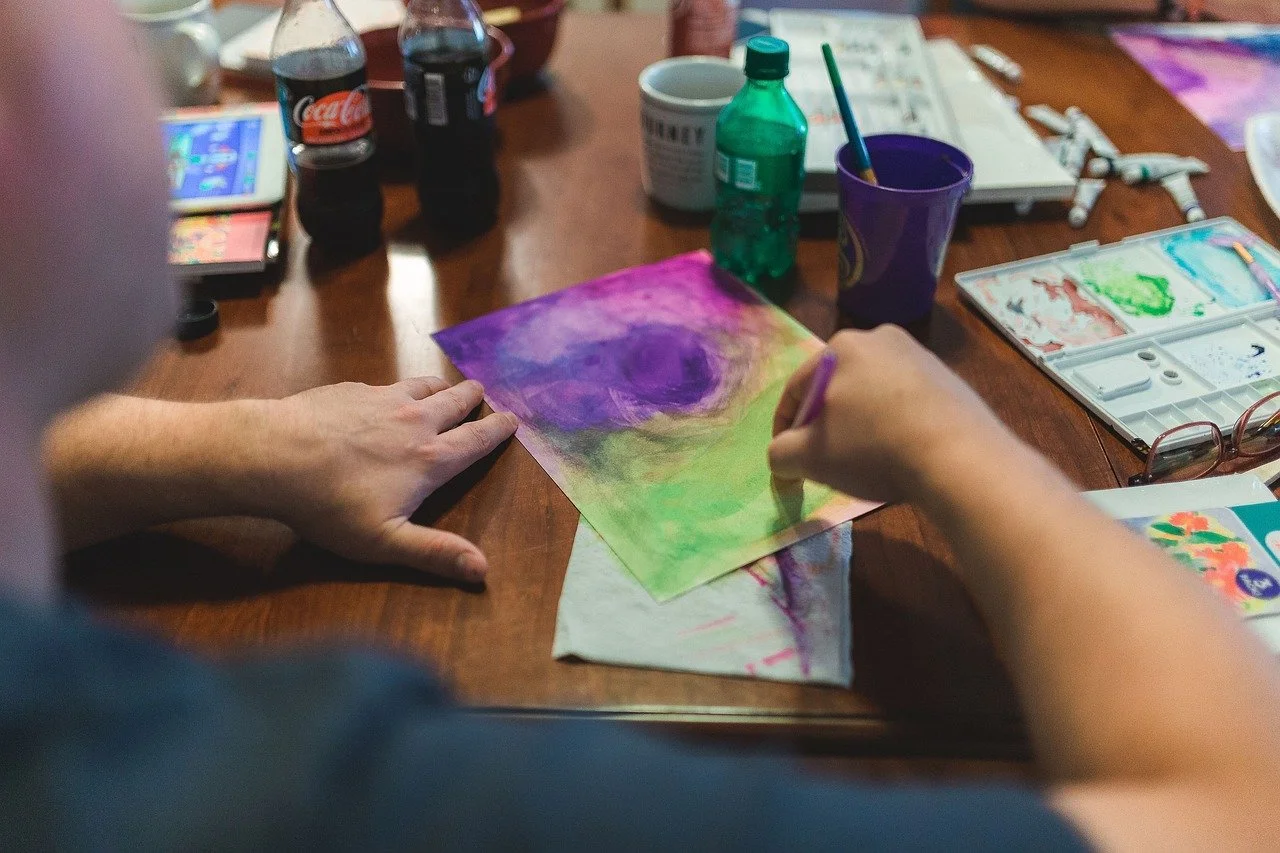
Theraputic art focuses on expression, not skill.
Afterward, take a few moments to reflect. What emotions or thoughts surfaced? What did you notice that you didn’t realize before starting? This reflection is where therapeutic art begins to work.
Why Internal Landscapes Makes It Easier
That’s exactly why I created Internal Landscapes. The course provides guided exercises and prompts that help you explore your inner world visually, even if you’ve never considered yourself an artist. You’ll discover practical ways to tune into your emotions, notice patterns, and express yourself without needing words. It’s designed for busy people who want meaningful creative breakthroughs in small, manageable sessions.
With Internal Landscapes, you can step into therapeutic art confidently, knowing that each exercise is structured to help you learn about yourself while keeping the process enjoyable and freeing. You don’t need a therapist or a lot of time—you just need a willingness to put a mark on paper and see what it reveals.